The Medical Practice of
Dr. Audun Myskja in Norway:
Healing the Body, Transforming the Soul
by Richard Katz
A Connection with Nature
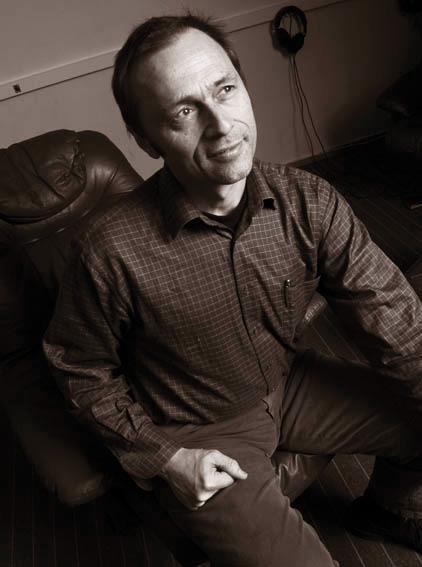
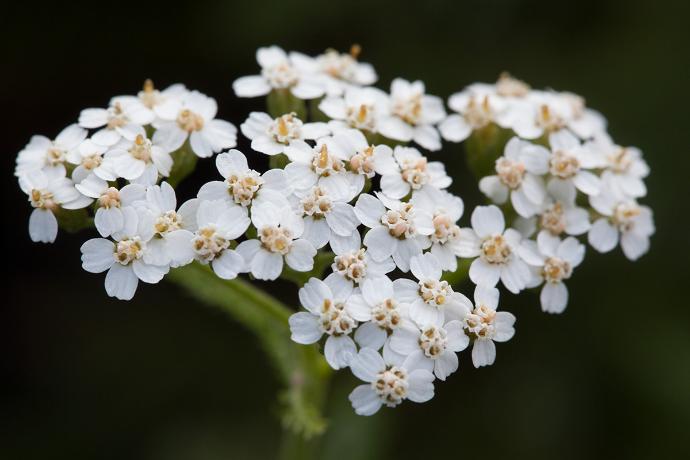
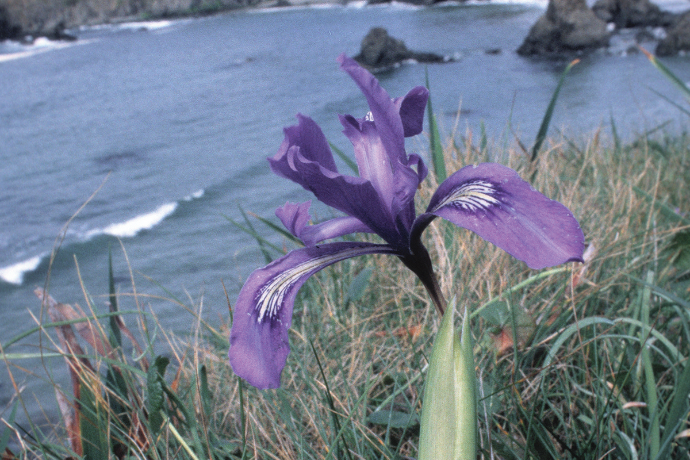
During his youth, Dr. Myskja discovered that Yarrow seemed to offer protection when he felt vulnerable, while Iris would strengthen his inspiration when he felt dull.
A Calling to be a Healer
Music as Therapy
A Phenomenological Approach to Flower Essence Therapy
Dr. Myskja describes his therapeutic approach as “phenomenological,” taking into account flower essence published research, information given by the patient, body language, and energetic expression. All of these phenomena form a fuller gestalt, leading to the selection of appropriate flower essences for each individual client. Dr. Myskja previously selected remedies via pendulum and kinesiology, but has reached the conclusion that this method can be problematic, leading to “spiritual laziness” and avoidance of the “necessary relationship with the person.”
Groundbreaking Case: Treating Severe Eczema with Flower Essences
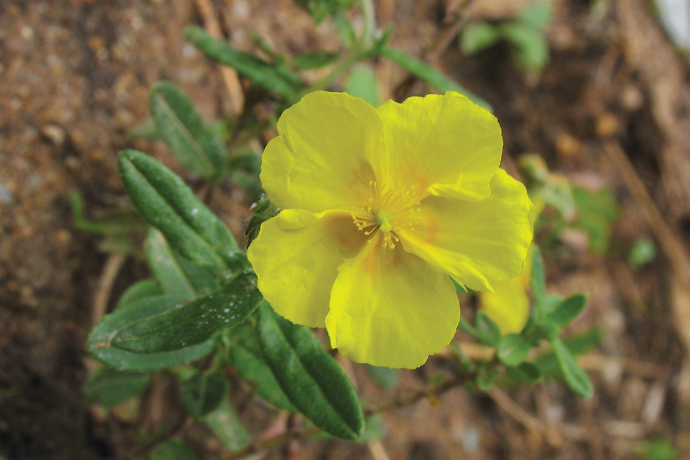
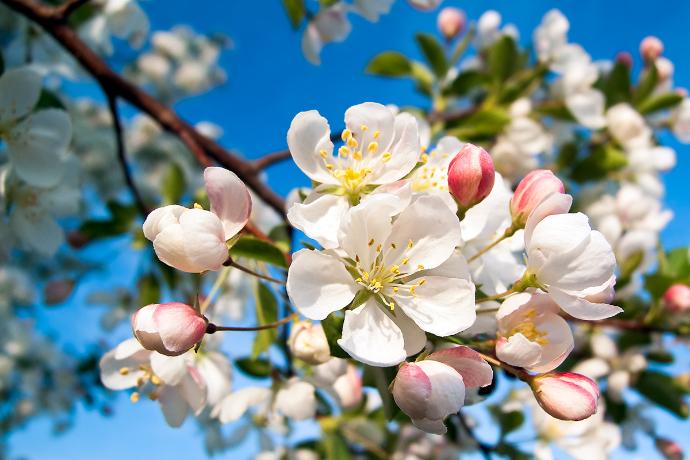
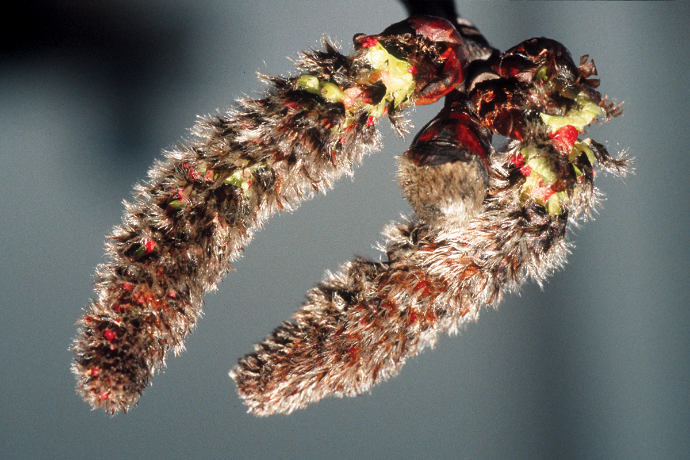
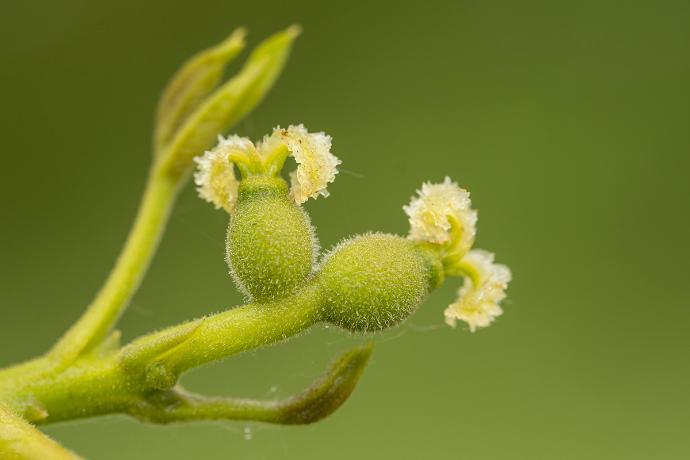
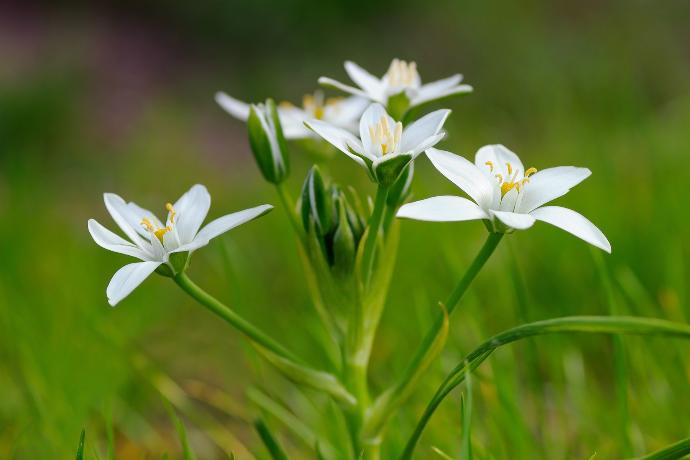
Dr. Myskja developed a program for a young girl with severe eczema, using Rock Rose, Crab Apple, Aspen, Walnut, and Star of Bethlehem, in a base of Rescue Remedy cream (Bach Five Flower formula). The outcome was very successful when no other medical or alternative methods had been effective.
While flower essence therapy in Norway has grown steadily, it remains
predominant among natural health practitioners. Only 7% of Norwegian
doctors are open to alternative medicine (with only 1% actively
involved) compared to 30% in Denmark and Bavaria (southern Germany).
With the emphasis on “evidence-based medicine,” credible research in
flower essence therapy is crucial. Dr. Myskja feels the situation will
change when enough health professionals:
✩ have personal experience with the positive effects of flower essences,
✩ meet enough colleagues who have documented their successful cases,
✩ encounter patients who have clearly benefited from flower essences,
✩ have access to professional literature that specifically addresses flower essence phenomena.
Developing Professional Flower Essence Research
Emphasis on inward guidance often obscures the need for objective observation and conscious methods of evaluation.
Dr. Myskja has been impressed with the research objectives of the Flower Essence Society. He regards Dr. Jeffrey Cram’s double-blind studies with stress to be among the most persuasive when he is asked by colleagues for scientific backing for flower essences. He comments that randomized double-blind studies are the most persuasive with the medical profession, but that clinical studies are more likely to have successful outcomes, given the importance of individualized treatment and personal relationship in flower essence therapy.
Treating the Elderly
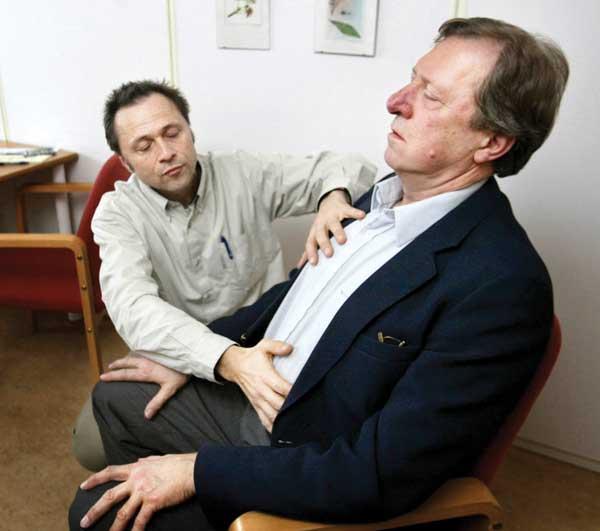
Dr. Myskja treats a 57-year old cancer patient with severe lymphoma. He is a scientist at the University of Oslo and was treated with flower essences while undergoing chemotherapy. Dr. Myskja believes his successful chemotherapy—his tumors have regressed—was aided by the flower essences he utilized. This picture is from a full page article in Norway’s most influential newspaper Aftenposten concerning Dr. Myskja’s work with complementary treatments, published February 10, 2004.
A solid foundation for flower essence research has been established
through Dr. Myskja’s research in music therapy and extensive contacts
with nursing homes. For example, he has collaborated with the five
nursing homes of the Kirkens Bymisjon (Inner City Mission) in Oslo. This
150-year old charitable organization seeks life-affirming therapies for
approximately 500 elderly, infirm and incurable patients.
Health
practitioners interested in a clinical research program using flower
essences with elderly clients, are invited to contact the Flower Essence Society or Dr. Myskja at info@livshjelp.no.
Current Activities
Together with his wife Reidun, Dr. Myskja runs the “Senter for Livshjelp” (Tools for Healing) nearby in Ski, a clinic where he has a small practice and conducts workshops in flower essence therapy, toning, meditation and self-healing. He has made several musical recordings, is a prolific lecturer and writer, especially on music in medicine. He is currently leading the following projects:
✩ Music as an aid in palliative care in nursing homes — 3-year project in Oslo, 2002-4,
✩ Rhythm as an aid for Parkinson’s Disease patients — 3-year project nationwide, 2003-5,
✩ Music as an aid in palliative care in nursing homes — 3-year research doctorate project in Bergen, 2004-6.
Read Three Typical Cases Reported by Dr. Myskja

To install this Web App in your iPhone/iPad press  and then Add to Home Screen.
