The Healing Power of Forgiveness & Self-Acceptance
by Julia Capistran de Early

Dogwood Cornus nuttallii
This client’s archetypal remedy is Dogwood . ... This beautiful flower really describes L.’s personality and behavior problems: abusive relationships, accident prone tendencies, patterns of degradation, emotional childhood and trauma, and her need to forgive…. With flower therapy she has confronted these issues and is now moving in a very positive direction.
— Julia Capistran de Early
Editor's note:
Julia de Early has spent time in Fortin, a small, partially semi-rural community in Mexico. While there, she offers her services to low-income people in the community. When not there, she maintains phone contact with her clients and sends them dosage bottles as necessary.
Most of the people with whom she works have no access to social services but are open to flower essence therapy as it seems more natural to them given their cultural use of herbs. People find Julia via word of mouth. “It is very rewarding to work with people who wouldn’t have had access to that type of therapy otherwise.”
Julia most often works with children who are hyperactive and have behavioral problems. She feels in many cases this is due to the fact that their parents have gone to the States to work and they feel abandoned. She finds that children whose mothers have gone away are more difficult to treat and have more resentment. She also recognizes that the rapid change in children’s diets with more sugar and processed foods, along with the lack of supervision, contributes to their hyperactivity.
Many people consult with Julia because they have insomnia or experience stress. Because of the successful resolution of L.’s skin condition, others with skin problems have sought Julia’s help as well.
Skin Problems, Discomfort, Insomnia & Anxiety
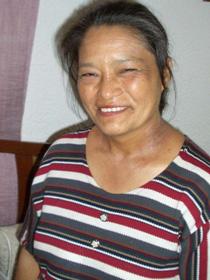
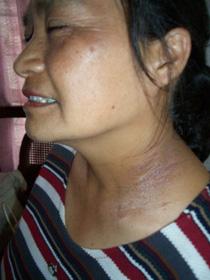
L.’s height is roughly 4 feet 8 inches. When she came for the first time, she looked completely broken-down and hopeless. Her face was swollen and her eyes were almost swollen shut. She complained about an itching that caused self-destructive conduct, forcing her to scratch until the point of bleeding. Her neck was almost black and her skin was rough, crusty and scaly. Simultaneously, she suffered from insomnia. The discomfort was so strong that just the thought of it returning paralyzed her; she became extremely tense to the point of being barely able to move. “I can’t even stand the thought of the itching coming back ,” she would say. All of this prevented her from working, which made the situation more difficult. Her daughter had to move away with her aunt, while L. had to struggle day by day to get by. This caused strong feelings of anxiety and what she called desperation.
Forgiveness as the Key to Physical and Emotional Healing
L. started with a very quick turnaround. The first morning after
starting the therapy, she reported that she was able to sleep and rest,
and that the itching had been reduced. As the treatment went on, she
showed more gradual, progressive improvement in all her symptoms, both
physical and emotional. Through forgiving, she was able to release negative emotions that were causing a lot of internal turmoil and physical condition.
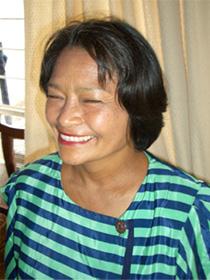
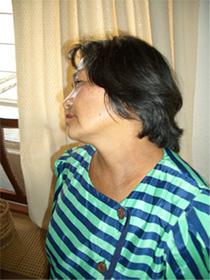
By the end of the treatment, her skin problems were solved completely, and her verbal aggression was diminished. Spiritually, she gained faith, which helped her to successfully face her problems and overcome them.
L.'s Background
She is now a single mother. L.’s daughter had to move away with her aunt because L.’s health problems impeded her from taking care of her daughter. They are now back together. Her son also lives with them, and sometimes her brother.
“It was like magic when I started taking the drops...
They should be called the desperation drops.”
L. used to make a living selling herbal remedies and clothing (or whatever she could) in the small towns in the foothills of the Pico de Orizaba volcano. The area is rural, with few paved roads. She would hitchhike, and then walk from the road to surrounding villages. During the height of her illness, she was unable to work. Given that the Mexican government provides little or no help to the unemployed, this was a devastating situation for a single mom and brought about intense feelings of anguish. Now, she keeps selling things, but in the town of Fortin where she lives. She also works occasionally as a housekeeper.
L. doesn’t have access to the government health plan because she is self-employed. Due to this, her access to health care is extremely limited. The care she has received was thanks to a priest who recommended her to a doctor. The doctor was unable to resolve her skin problems, and recommended her to a dermatologist who was also unable to solve the problem, saying it was psoriasis. Her family then gave her money to visit two more dermatologists, again with little or no results. They did not provide her with any diagnosis. Due to this, she feared that her problems were due to witchcraft, as they seemed to have no rational explanation. She visited a spiritualist temple, and a traditional healer who helped her with herbs. The herbs were the only thing that helped a bit.
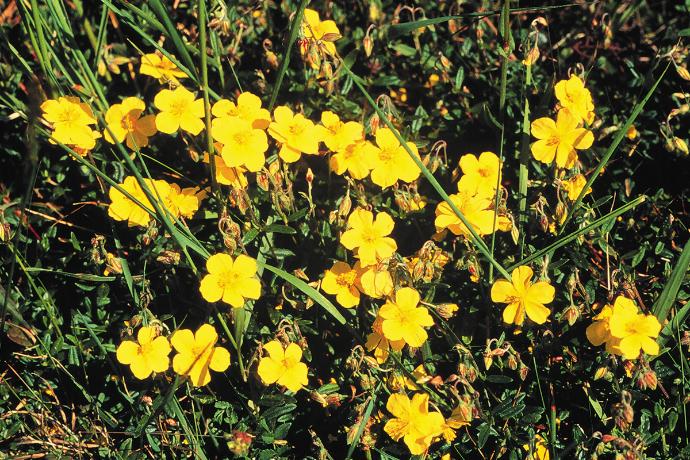
Rock Rose was a key essence used in L's treatment and offered her strength against her fear of returning symptoms.
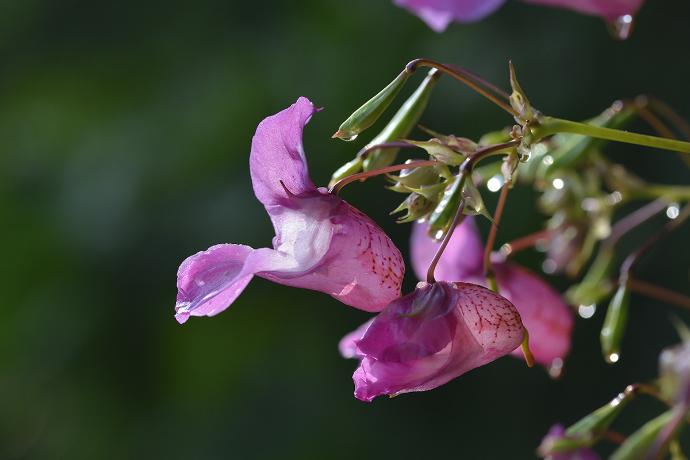
Impatiens was essential in offering L the patience to cope with her symptoms as she progressed through the treatment.
Since she was a girl, men have tried to rape her several times. She was neglected as child and grew up without direction. She was always moving around, never having a stable center. She always felt rejected and people in the town have always thought of her as strange because of her erratic behavior.
At the time of her seeking therapy, L. suffered from severe skin problems. Also, she had spent over two months suffering from insomnia. Her lack of employment and the rejection she was subject to (for example: when riding the bus, people would not sit next to her, or would move away) brought about feelings of anguish and anger. She reacted to all this with verbal aggression.
Treating L.'s Skin Condition, Aggressive Behavior & Emotional Wounds
The healing process did not happen in a linear fashion, with one goal being met after another. Rather, various goals and objectives were met or worked on gradually and simultaneously throughout the process, with a few exceptions that were immediate. Her main goals throughout the process were: being able to sleep again, getting rid of her itching, getting rid of her skin ailment, treating her aggressive behavior and healing the deep emotional wounds that gave way to these problems.
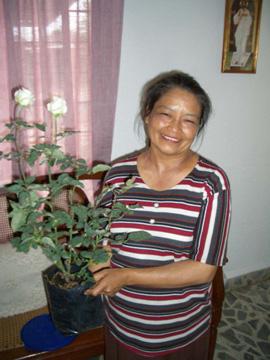
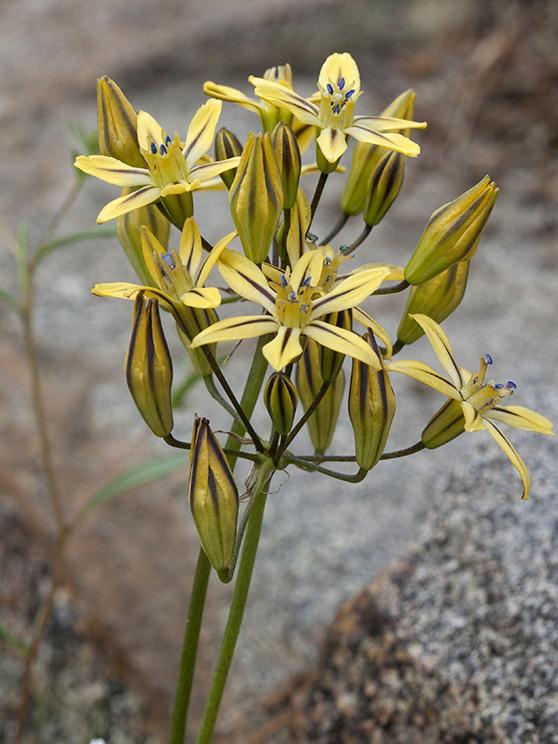
Pretty Face was a key flower essence in L's treatment. After seeing a doctor and three dermatologists with no success, her skin condition remained unresolved. She always felt ugly and I noticed that her skin condition made her feel worse. By the end of the treatment her skin problems were resolved.
During the first sessions, being able to sleep and get rid of the itching were her main objectives. In conjunction with these factors, eliminating the sensations of anguish and self-described desperation were important. These goals were met quickly. “It was like magic when I started taking the drops,” she said, because she immediately felt something “very nice.” “They should be called the desperation drops,” she added. The very night she started taking them, she was able to sleep and the itching was reduced. Above all, during the first night she was able to have the patience to not scratch herself constantly.
As we continued with the healing process, we began to discuss other issues. Although in interviews it was very difficult for her to open up. We began to establish a more informal relationship. She often came to visit, and much of the insight I received happened through chats over coffee or breakfast. Since she couldn’t afford to pay for therapy, she always brought flowers or wild cooking herbs. She started talking about her mom’s illness, also skin-related, and how she would have to take her to Mexico City at such a young age. It was very hard for her, and she felt that she lacked support. This is a pattern that she constantly repeated: “Nobody helps me, I’m alone.” She talked about how men tried to abuse her sexually and how she learned to be defensive throughout her life.
As we progressed, she began to speak of the need to forgive; she realizes that she needs to forgive those who have done her harm. Dealing with all these issues became an important part of the therapy. All of these were factors affecting her on physical and emotional levels.
With the help of the flowers, she realized that forgiveness was an important issue in her life. She was able to forgive, and felt that she let go of a large burden. She began to attend healing Masses at a local church and the catharsis would often happen there.
Our main goal was to deal with her skin problem and insomnia, both physically and at its emotional root. As this was gradually being resolved, she was able to feel better about herself, both her physical appearance and attitudes changed. Since she was able to sleep, she was less irritable and therefore able to have better communication with others. She was also able to start working again, easing her feelings of anguish.
When she began working again, her daughter, who had been living with her aunt at the time, was able to return home. Slowly, we worked on the roots of her aggression. With the help of the flowers, she realized that forgiveness was an important issue in her life. She was able to forgive, and felt that she let go of a large burden. She began to attend healing masses and the catharsis would often happen there. She would break down and cry, giving her a feeling of relief.
In May, she returned and was very worried that her rash was coming back. She asked me if I could give her the “desperation drops” and the oil. I did, and in a matter of hours it was gone and hasn’t come back since.
The Healing Power of Dogwood
Dogwood restores one’s original innocence and helps them to forgive. For the resentment, distrustful, who have a protected shell due to past abuse and who always have a chip on their shoulder and will respond at the slightest provocation. Claudia Stern has described this flower as useful for emotional childhood trauma and neglect.
I chose Dogwood to help her to overcome the negative feelings because of her childhood sexual abuse and neglect… She had a strong defensive outer shell which she needed to break.
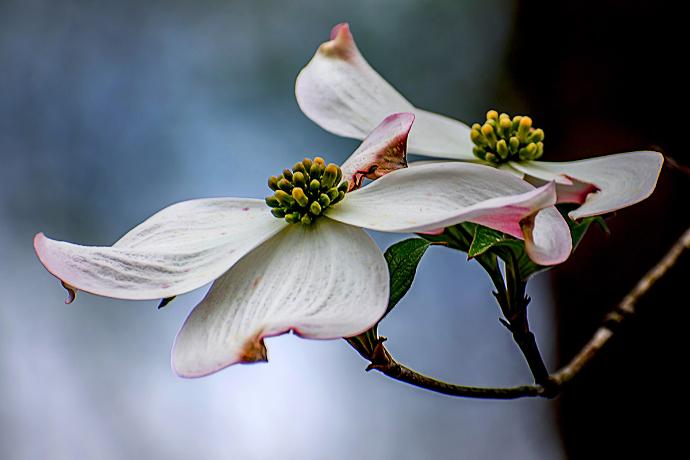
When I write the Dogwood description, I picture L.. This beautiful flower really describes L.’s personality and behavior problems: abusive relationships, accident prone tendencies, patterns of degradation, emotional childhood and trauma, her need to forgive, and fighting with the slightest provocation. With flower therapy she has confronted these issues and is now moving in a very positive direction.
L's Healing Journey
Immediate Relief
When L. came to her first session, despite still being swollen, she was smiling and cheerful. She had finally been able to rest, and had spent part of the night without bouts of violent scratching. Although she had fallen asleep late, she was able to sleep in and the itching had diminished, to the point that it no longer kept her from sleeping. She also felt that she had gained patience: although there was still itching at first, she no longer felt the compulsive need to scratch. Her posture changed entirely.
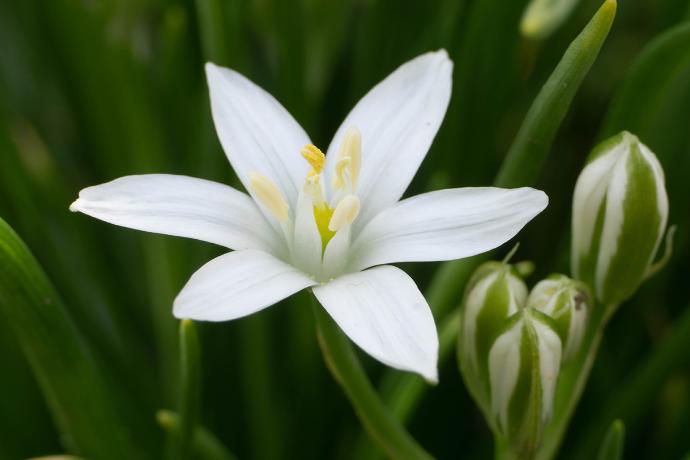
Star of Bethlehem was used to help L. work through the trauma she experienced growing up.
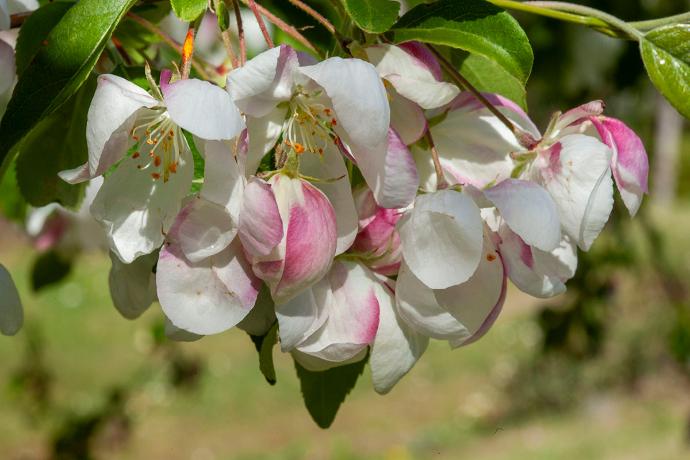
Crab Apple was selected for its cleansing properties, addressing both emotional imbalance and physical symptoms.
Due to L.’s socioeconomic condition, she hardly has access to health
care, and much less to formal therapies of any kind. Since she is
Catholic, I suggested that she light a candle and pray. Among “poor”
populations in Mexico, prayer acts not so much as an element to ensure
salvation, but rather as an aid to achieve and maintain temporal well
being. In this sense, prayer acts as a means of negotiation with
spiritual forces to assure their favors in this life. “I asked the
Virgin to help me with all my heart,” she said. She has a deep sense of
faith and I’m sure this played an important role in her healing process.
We
chose to use the same formula from the intake session for emergencies
when the itching may appear again or in case she woke up during the
night. I suggested that she place the dropper on a night-table near her
bed in order to take the drops during the night if she couldn’t sleep.
“But I don’t have a night-table,” she said, “just a cardboard box.” I
told her to leave them on the box or under her pillow. I told her to
take them every few minutes until she fell asleep or relief was
obtained. L. named this formula las gotitas de la desesperacion or “little desperation drops”.
I
created a new formula of Five-Flower Formula, Pansy, Crab Apple,
Chamomile, and Snapdragon for L. to take daily. Along with this, we kept
up the use of the topical oil mixture with no
changes. First, because the use so far had been very brief and second,
because in spite of this fact good results were already visible.
Surfacing Deeper Issues
By the second session, her physical progress had held. The itching was almost gone and she could sleep now; she could also take showers and do housework. Once in a while she took the Five-Flower Formula when the itching would start, but much less than before. People commented positively on her physical change.
As her body settled, deeper issues began to surface. For a few days she felt sad, and bad memories returned "as if I were watching a movie." For a couple of days she was more angry. Then she got over it. She also kept attending healing masses, and there the release began to come. "I could cry all I wanted," she said. "Before I could not cry." Cathartic reactions took place in her, creating spiritual as well as physical healing.

Calendula was selected to improve L.'s communication with others and restrain verbal aggression.
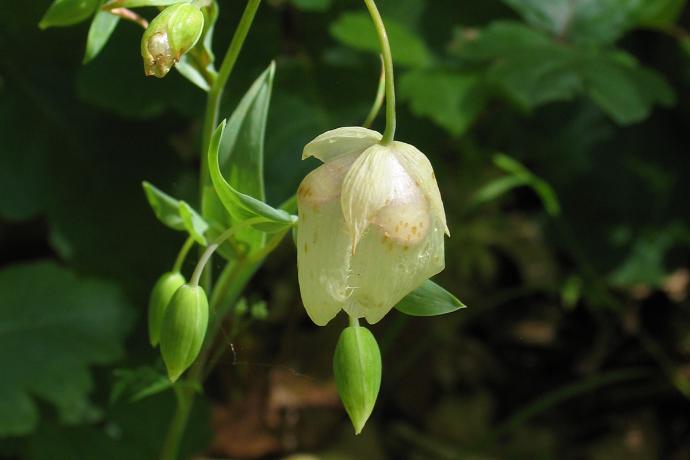
Fairy Lantern was used to address L.'s feelings of helplessness and childish dependencies.
Still, there was work ahead. She needed to work on her aggressiveness. She needed to be more responsible with work and children, not expecting everybody to take care of her. She also needed to work on her clumsiness. She would have little accidents, like falling.
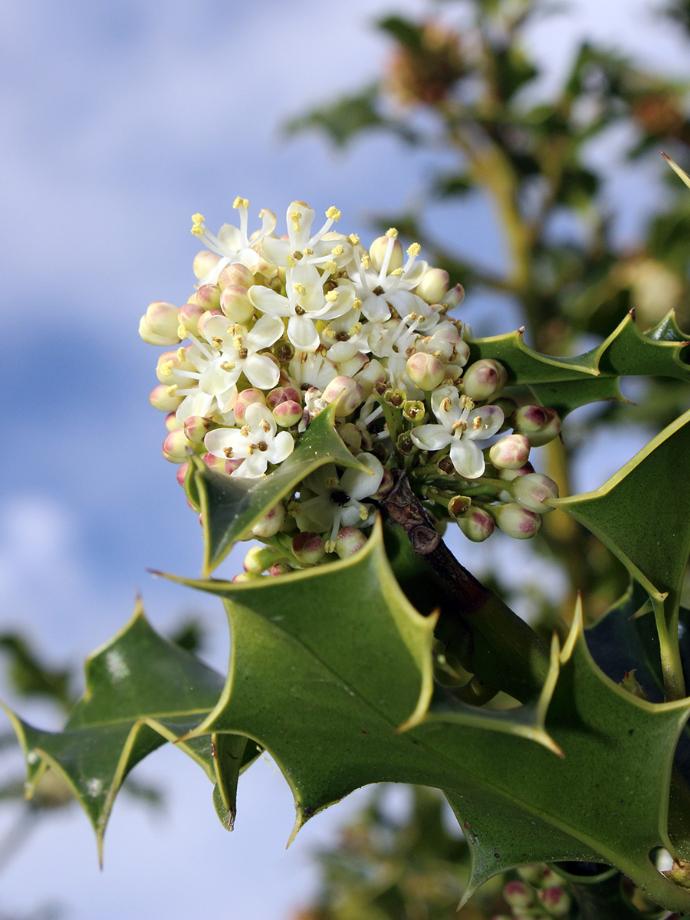
To reach these deeper roots, I introduced Dogwood, which would become her archetypal remedy. I chose it to help her overcome the negative feelings from her childhood sexual abuse and neglect, as well as her resentment and bitterness. She had a strong defensive outer shell that she needed to break, and I hoped it would also help her to forgive. Alongside it, Chaparral worked to cleanse her psychic and physical toxicity and purify the results of her traumatic experiences; Fairy Lantern addressed her feelings of helplessness, her childish dependency, and her difficulty taking responsibility; and Calendula continued to temper her verbal aggression and improve her communication with others
Forgiveness
She continued to attend the healing masses now as a regular. She even went to another town to attend other healing masses. She showed progress on her aggressiveness; however, she still needed to work on taking more personal responsibility and not letting others solve her problems. She also realized that she does not pick fights as much. She still needed to work on her clumsiness and be more graceful.
The next formula I made for her was a repeat of formula from the last session minus Holly, since she had reached a state of forgiveness and “hate” did not seem to be an important issue to her anymore.
Upon meeting with a man who had abused her, L. anticipated that she would start fighting with him. To her surprise, she simply told him that it was all in the past and walked away. She had experienced the power of forgiveness.
By the fourth session, it was clear that Calendula had helped her to temper her verbal aggressiveness. She ran separately into each of the two men who tried to abuse her. When she saw them her first impulse was to yell and humiliate them in front of everyone but in her words “I felt that something held me back. I think I am less offensive with my words.” Chaparral seems to be working as well because her skin was now clear and she had been successfully dealing with her most significant negative emotions.
She continued to attend church, healing masses, prayer meetings and personal prayer. All of this helped in the sense that her faith was an important element in the healing process.
Seeing the Change
Although she did not formally express it in the interview, I realized that she still did not like to be touched or have people very close to her. She got nervous even when people tried to say “hi” with a hug or try to approach her physically. She reacted in a startled fashion. She always felt ugly and I noticed that her skin condition made her feel worse, and that anything related to that feeling affected her. She would always joke about how ugly she was. Sometimes she dressed in a manner that made her look disheveled.
She had improved her problems with verbal aggression. However, her problems with physical contact remained. She also continued with problems related to taking on adult responsibilities and lack of motivation. We decided to work on her feelings of ugliness and fear of physical contact and her problems with adult responsibility.
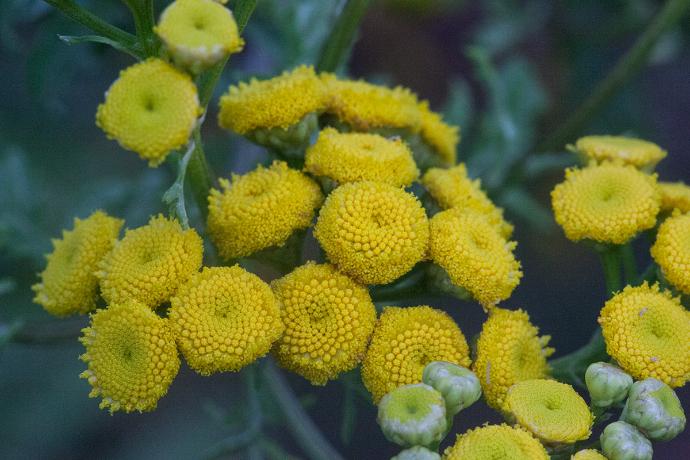
Tansy was used to address her fears about taking on responsibilities which manifested in procrastination.
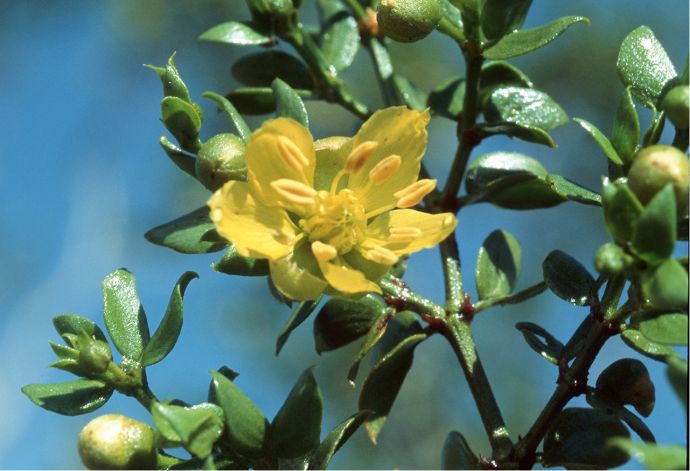
Chaparral played an important role in helping to cleanse the physical and psychic toxicities that L had been exposed to.
In her next formula, Poison Oak was chosen to address her fear of intimate contact and the protection of personal boundaries. Although the itching was gone by now, it is likely that it was caused by this fear; according to Claudia Stern, people with these characteristics often develop rashes to keep others from approaching them. Also included in the formula was Pretty Face, because of her negative feelings around her physical appearance, Tansy for her procrastination and lack of motivation, and Holly was reintroduced to help close the cycle and allow her to feel that forgiveness was in her heart and not just in her mind.
L. started going to confession because she needed to feel that, though she had forgiven, God had forgiven her. She wanted to feel “that it was not just in my head but in my heart.” She said, “When the priest gave me absolution I felt that I had discharged something heavy, a heavy burden that I had been carrying.”
Before the flowers, L. would take off hitch-hiking, not knowing if she would have something to eat or a place to sleep. She could not take care of her daughter because she could not work due to the skin problem, also because she would just take off. By the end of the treatment though, her daughter was back with her and her skin problem had disappeared. Her skin looked clear. “People don’t see me like some sort of strange bug or freak,” she said.
“Before I took the flowers I felt like a wasp bit me and I flamed up. Now, sometimes, I see the change.”
Comments on the Stages of L’s Healing Process (the 4Rs)
Stage Two: Realization and Recognition. She became more aware of her anger and hate toward the men who abused her.
Stage Three: Reaction, Resistance and Reconciliation. For a few days she got more angry and sad sometimes. A lot of bad memories came back. She cried a lot. She acknowledged her hurts, anger, and resentment. When she faced one of his abusers and ran into the other two, to her surprise, she realized that the anger, hostility and resentment toward them was gone. She went to see a priest of confession, the sacrament of reconciliation. She now reconciled herself with God and those who hurt her.
Stage Four: Renewal and Reconstellation. Although she still needs to work on old patterns, she is now in the process of stage four. She is creating new possibilities that she could not see before.
About Julia Capistran de Early
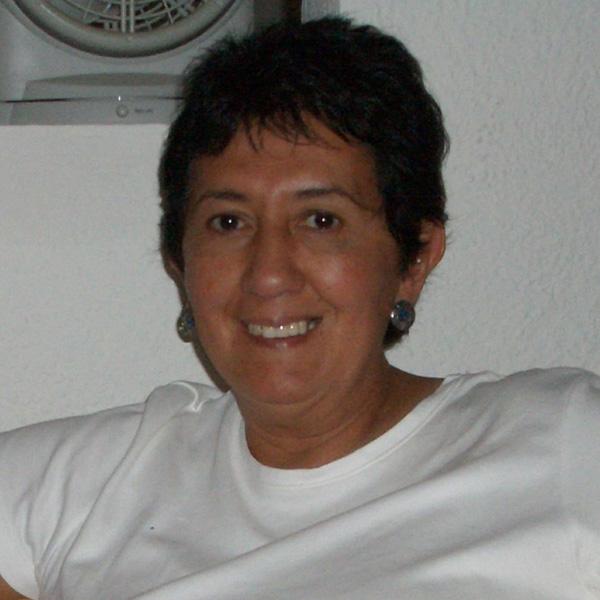
Julia Capistran de Early was born in Cordoba, Veracruz in 1947. She
attended the National University of Mexico in Mexico City and received a
degree in history. She taught social sciences in Mexico City and worked
in the mountains of Nayarit, Mexico with Cora Indians and did research
with Nahuatl (Aztec) speakers in the mountains of Veracuz.
Julia
married and moved to Bend, Oregon where she taught Spanish at Central
Oregon Community College for twenty-five years. She also ran a summer
program for college students in Spanish language and Mexican culture in
Cordoba Veracruz. Julia was also involved organizing groups in Bend
promoting Human Rights in Latin America, and in organizing the Latino
Community in Central Oregon during the last twenty-five years. In
addition, for the last twelve years she has worked in the Western United
States as a cultural consultant in death penalty and murder cases
involving Mexican defendants.
Julia was introduced to flower
essences by Kathleen Gault, a practitioner in Bend, Oregon. She has been
practicing in Fortin, Veracruz and in Mexico City for the last five
years at the time of this article.

To install this Web App in your iPhone/iPad press  and then Add to Home Screen.
