Tobacco:
From Sacred Plant To Addictive Drug
by Patricia Kaminski

In ancient times, the land was barren and the people were starving. The Great Spirit sent forth a woman to save humanity. As she traveled over the world, everywhere her right hand touched the soil, there grew potatoes. And everywhere her left hand touched the soil, there grew corn. And when the world was rich and fertile, she sat down and rested. When she arose, there grew tobacco.
—Native American Creation Story from the Huron Tribe
Sacred Tobacco
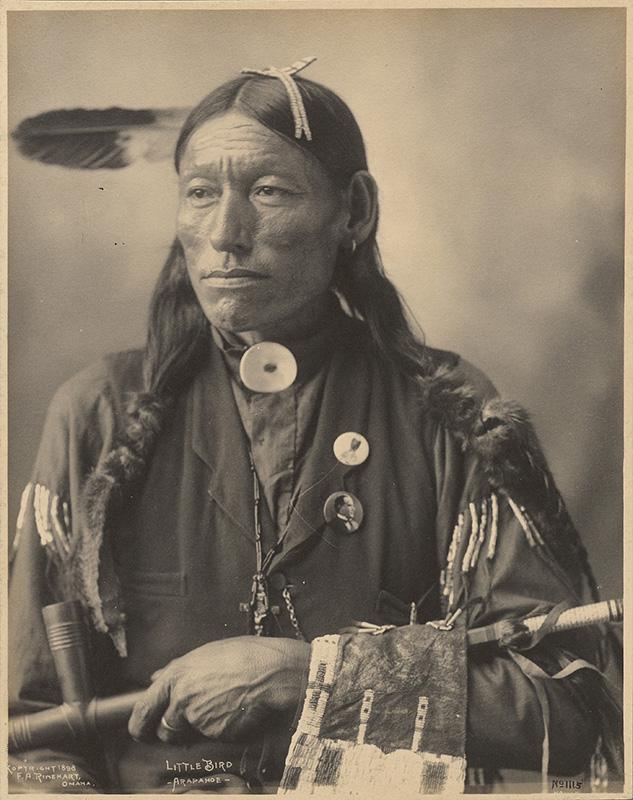
"The pipe is a link between the earth and the sky. Nothing is more sacred. The pipe is our prayer in physical form. Smoke becomes our words; it goes out, touches everything, and becomes a part of all there is. The fire in the pipe is the same fire in the sun, which is the source of life. You see what happens when a gift that has been given is misused... When a stem and bowl of the pipe are connected, you have a living being.”
—Little Bird, Arapaho Nation
Tobacco cultivation is estimated to be at least 10,000 years old. The
native plants of Nicotiana tabacum and Nicotiana rustica
were typically passed hand to hand from the slopes of the Andes
Mountains in South America, north to the Great Plains and Great Lakes in
North America. Rituals associated with tobacco were intended to help
carry one’s prayers to spiritual beings. They included the sprinkling of
tobacco on fires in the sweat lodge, the offering of tobacco to the
earth in various fertility ceremonies, and the creation of “medicine
pouches,” primarily featuring tobacco, that were worn over the
heart-lung region.
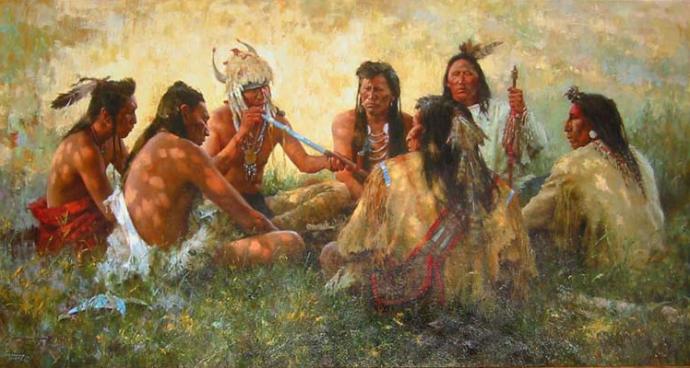
The most elaborate ceremony involved smoking a ritual pipe, in which the
participants offered tobacco in the four directions to create a common
bond with each other and the earth, as a living being. The pipe ceremony
was often the way in which conflict between tribes, or general tribal
decision-making, was fostered.
Many Native Americans believe that when tobacco began to be marketed as a vast commercial enterprise, dependent on southern plantation slave labor, its holy function was corrupted. As one tribal elder, White Deer of Autumn, explains, “The pipe is a link between the earth and the sky. Nothing is more sacred. The pipe is our prayer in physical form. Smoke becomes our words; it goes out, touches everything, and becomes a part of all there is. The fire in the pipe is the same fire in the sun, which is the source of life. You see what happens when a gift that has been given is misused. ... When a stem and bowl of the pipe are connected, you have a living being.”
Profane Tobacco
After the European migration to the Americas, which began in 1492, tobacco was rapidly introduced throughout Europe: France in 1556, Portugal in 1558, Spain in 1559 and England in 1565. Jean Nico de Villemain, the French ambassador to Portugal, wrote about its medicinal properties in 1560 and the plant was eventually named for him. Commercial tobacco was processed in a manner that made it feel easier on the lungs, therefore enabling one to smoke it on a regular basis and thus become more easily addicted. The newly-created demand for nicotine products created a lucrative “cash crop,” of incalculable benefit, especially to the American colonies.
Fueled by African slave labor, the United States quickly rose to a major world economic power, due in large measure to its tobacco plantations. The first Africans were brought into the state of Virginia around 1619, and in less than four decades, tobacco exports from Maryland and Virginia sextupled. Virgin land was replaced by tobacco fields as settlers moved westward and southward in an unrelenting drive. Tobacco became the economic lifeblood of the colonies and the means to exchange goods and services. By 1740, the Chesapeake Bay region was exporting 50% of the combined production of the world’s tobacco-raising regions. Throughout the 17th and 18th centuries in America, tobacco was used as a monetary standard, lasting twice as long as the gold standard. A tobacco leaf was stamped upon the old Continental money used in the Revolution.
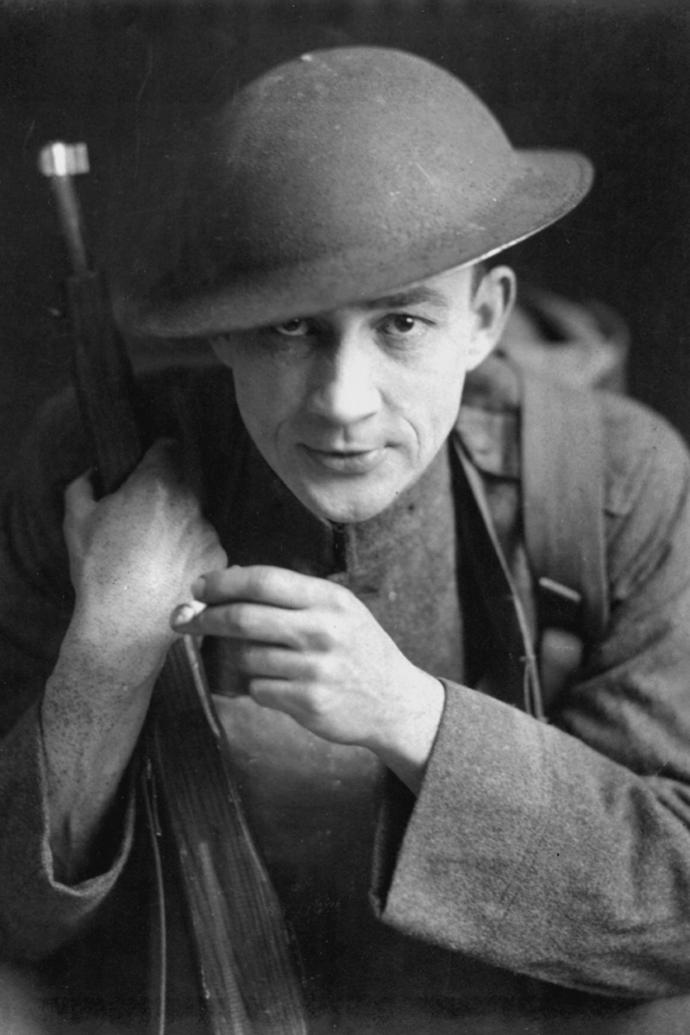
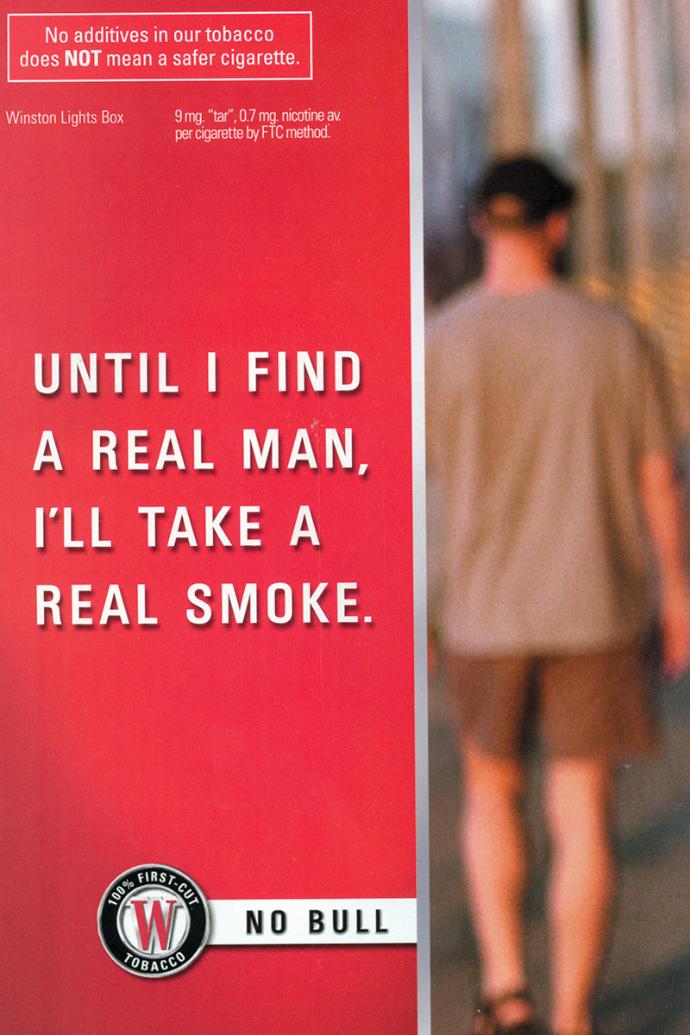
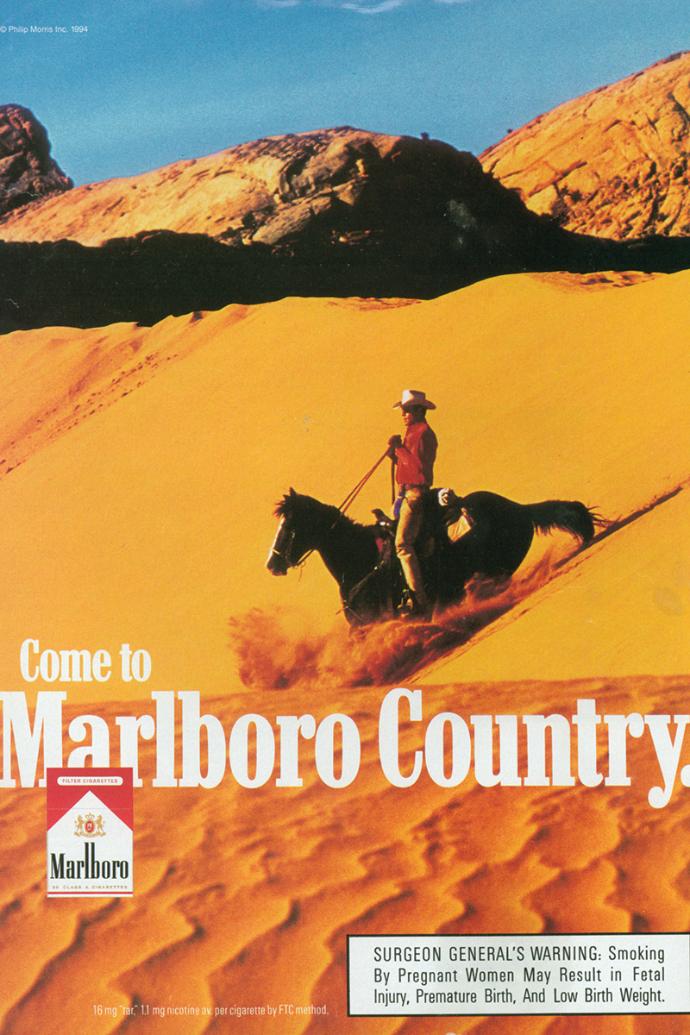
Over the centuries, tobacco was marketed in increasingly potent forms, from loose tobacco for pipes, to cigars, and finally to modern commercial cigarettes, featuring chemically laden “nicotine delivery systems.” The sacred plant which had once been used for a peace pipe, was now used to create a hard edge for battlefield violence. Cigarettes were included as fundamental rations for the soldiers of both World Wars, and those opposing these measures where labeled “traitors.” General John L. Pershing, commander of the American Expeditionary Force (AEF) in Europe during the First World War declared, “You ask me what we need to win this war. I answer tobacco as much as bullets. Tobacco is as indispensable as the daily ration; we must have thousands of tons without delay.” During World War II, cigarettes were considered unofficial currency in Germany and valued at a minimum of 50 cents each.
Smoking was more of a way of rebelling than something I enjoyed. I thought I was cool and that it would make me more grown up like my parents who both smoked. I thought that my neighborhood pals would accept me if I joined the guys every day outside school to sneak a smoke. By the time I was in junior high, I was hooked on these deadly products, and I was willing to risk whatever future I might have had as a diver and an athlete, all to get my daily fix of those little tobacco sticks.
Olympic Diver Greg Louganis as quoted in Merchants of Death by Larry C.White
The manufacture and commercialization of tobacco reached a zenith right after World War II, with thousands of military personnel returning to their communities highly addicted and in turn, introducing countless others to tobacco. At the same time, extensive media advertising for tobacco products saturated all segments of society. By 1972, Reynolds Tobacco research scientist Claude Teague wrote, “The tobacco industry may be thought of as being a specialized, highly ritualized and stylized segment of the pharmaceutical industry. … Happily for the tobacco industry, nicotine is both habituating and unique in its variety of physiological actions.”
Further reading related to tobacco:

To install this Web App in your iPhone/iPad press  and then Add to Home Screen.
